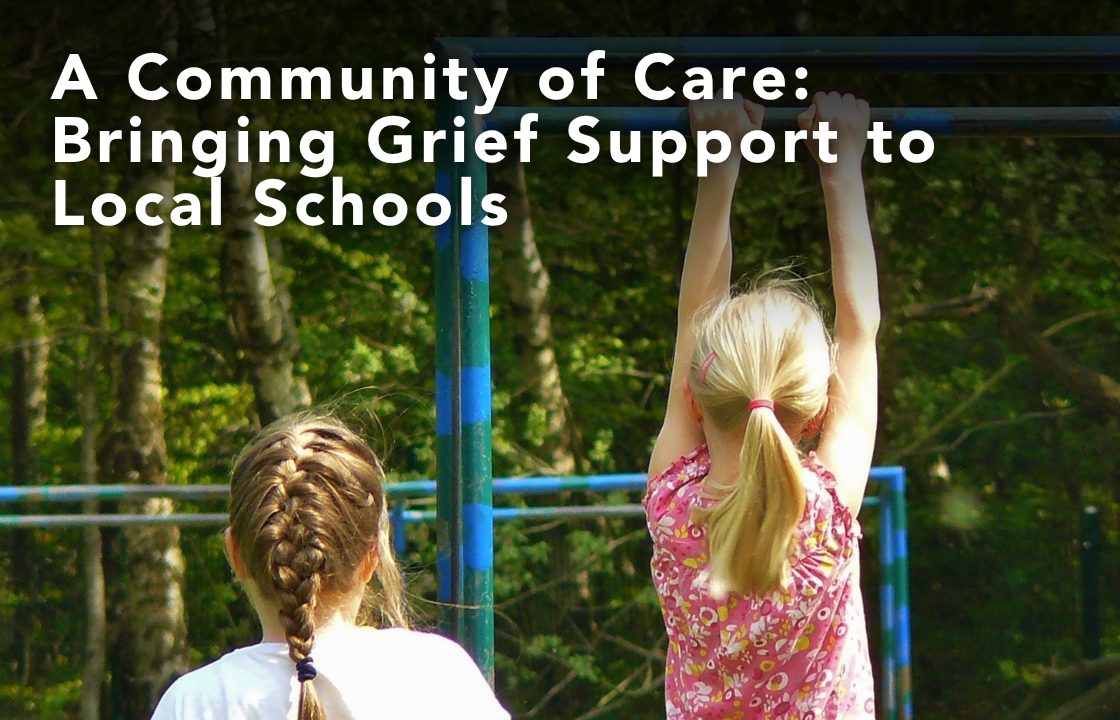
Grief doesn’t wait until adulthood. It shows up in classrooms, in a child who can’t concentrate, in a teenager who suddenly pulls away from friends. When it does, schools are often the first place it becomes visible, and Hospice of the Piedmont is there to help.
1 in 12 children and teens will experience the death of a parent, caregiver, sibling, or other important person before they graduate high school, and all too often with little formal support around them.
When a child is grieving, the adults closest to them, teachers, school counselors, coaches, are often the first to notice something has changed. But noticing is only the beginning. Without the right tools, even the most caring educator can feel uncertain about what to say, how to help, or when to call in additional support.
That’s the gap our partnership with Albemarle County Public Schools is designed to fill. Through the Kids’ Grief & Healing program, Hospice of the Piedmont works alongside schools to build a three-part approach to student grief support — meeting kids where they are, at every stage.
Building Grief-Sensitive Schools
Creating environments where students feel seen and supported
A grief-sensitive school doesn’t mean every staff member needs to be a trained therapist. It means that when grief walks through the door — and it will — the adults in that building have a shared language, a few reliable practices, and a clear path to additional help. It means no child has to wonder whether anyone noticed.
Through the Grief Sensitive School Initiative (GSSI), our team partners with educators and school staff to strengthen the full network of support surrounding grieving students. The program includes a five-week series in which small groups of staff meet weekly to engage with GSSI-provided content, reflect together, and apply their learning to real school situations. By the end of the series, participants build shared language and the confidence to respond with care and effectiveness.
“We had a challenging year of loss in our school community which made us realize we didn’t always have the tools. The GSSI curriculum was incredibly powerful for our staff members. It even helped us navigate our own grief. It’s great that we have Hospice of the Piedmont as a resource.”
— Don Landis, School counselor, Stone Robinson Elementary, Albemarle County Public Schools
The training helps staff move from reactive to proactive, not waiting for a crisis but building readiness before one arrives. Don added, “we know these situations will happen, are you prepared as a school system to handle them? It’s another tool in our toolbelt.”
Topics covered in GSSI include:
- Recognizing common signs of grief in children and teens
- Responding with empathy and confidence
- Language guidance: what to say, what to avoid, how to ask open questions
- Supporting students through anniversaries, birthdays, and recurring hard moments
- Creating classrooms and routines that feel steady and safe
The work doesn’t stop with a single cohort. This August, the partnership will expand to an all-staff training at Stone Robinson. The goal is to give every adult in the building a foundation on grief support, not just specialists.
Individual Grief Counseling in Schools
Personalized support when it’s needed most
Sometimes, a grief-informed classroom and a caring teacher are exactly enough. Other times, a student needs more — a dedicated space, a trained clinician, and the kind of focused attention that a busy school day can’t always provide.
Through the Kids’ Grief & Healing program, Hospice of the Piedmont brings individual grief counseling directly into schools. Referrals can come from school counselors, teachers, families, or any trusted adult in a student’s life. Our therapists come to the school, so students don’t miss more classroom time than they have to, and the support is woven into the rhythms of their day rather than added on top.
“Individualized grief counseling in schools meets students where they already are—both physically and emotionally. By tailoring each session to the child’s needs, whether through conversation, art, or play, we create a space where they can safely explore their grief and begin to heal.”
— Kacie Karafa, Kids’ Grief and Healing Counselor, Hospice of the Piedmont
Sessions are developmentally appropriate and shaped around what helps each student communicate best. For some kids, that’s talking. For others, it’s drawing, movement, or play.
- Talk-based support tailored to the student’s age and communication style
- Art, play, or expressive activities when words aren’t enough
- Practical coping strategies for hard moments at school and at home
- Continuity of care — a consistent clinician who knows the student over time
“Grief is such a personalized experience. That’s why I really value one-on-one counseling, especially for middle school students. Middle schoolers are very self-conscious, so the act of doing—like art or hands-on activities—can make a big difference. It helps them open up without the pressure of having to talk directly.”
— Kristy Lancaster, School Counselor, Henley Middle School, Albemarle County Public Schools
For many children, these individual sessions become a cherished part of their day, offering a consistent, safe relationship to lean on when emotions feel overwhelming, and the world feels uncertain.
Healing Beyond the School Setting
Mental Health Fairs and Community Events
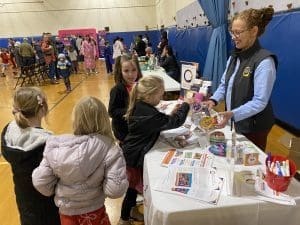
Our outreach team also shows up where families are — at school-hosted mental health fairs and community events — making sure students, caregivers, and educators know what’s available before a crisis makes them go looking. Visibility matters. When families know a resource exists before they desperately need it, they’re far more likely to reach for it.
Support Groups and Grief Camps
Grief support shouldn’t stop when the school day ends. Some of the most powerful healing happens when children and teens are alongside others who truly understand what they’re going through. A space designed for healing among peers who have also experienced loss.
Hospice of the Piedmont’s Kids’ Grief & Healing program offers community-based camps and support groups that extend the circle of care beyond the classroom. These programs give students a place to belong outside of the school setting; to laugh, to process, to feel less alone in an experience that can feel profoundly isolating.
- Seasonal grief camps for children and teens
- Peer support groups facilitated by trained clinicians
- School-based mental health fair participation and outreach
- Resources and workshops for families navigating a child’s grief at home
A Community Approach to Healing
Schools are the most consistent environment in many children’s lives. When grief is met with understanding there, by teachers who notice, counselors who know how to respond, and clinicians who show up, students are more likely to feel safe, stay connected, and keep learning even while life feels unsteady.
“By partnering with ACPS and supporting students where they are, we’re building a stronger, more compassionate community; one where grief is met with empathy, expertise, and no one has to face it alone.”
— Teresa Haase, Director of Bereavement, Hospice of the Piedmont
The strength of this work comes from the connection between schools, families, and programs like Kids’ Grief & Healing working together toward a shared goal. No child should have to grieve alone, and in Albemarle County, they don’t have to.
Get involved or get support
Whether you’re an educator, a caregiver, or a community partner — we’re here, and we’d love to connect.
Learn more at hopva.org/kids-grief-and-healing