When someone is diagnosed with a serious illness, conversations often focus on treatments, appointments, medications, and test results. But an equally important question sometimes gets overlooked:
How are you living?
That question sits at the heart of Palliative Medicine.
Palliative Medicine is designed to help people live as well as possible while managing a serious illness. It provides an extra layer of support for patients and families, focusing on comfort, quality of life, and helping people continue doing the things that matter most to them.
Whether someone is living with cancer, heart failure, COPD, Parkinson’s disease, ALS, dementia, or another serious condition, Palliative Medicine can help them make the most of every day.
You are More than Your Diagnosis.
A diagnosis may explain what is happening medically, but it doesn’t tell us who you are. It doesn’t tell us what brings you joy, what worries you, who depends on you, or what matters most in your life.
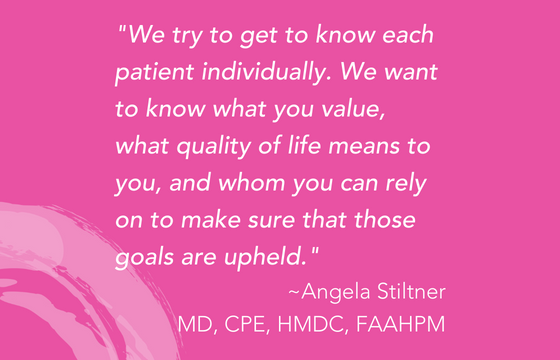
That’s why Hospice of the Piedmont’s interdisciplinary Palliative Medicine team looks beyond the illness to care for the whole person. We ask questions like: What symptoms are getting in the way? What goals are most important to you? What keeps you up at night? What does a good day look like?
Once enrolled in Palliative Medicine, patients gain access to support that addresses mind, body, and spirit. Our team includes our Chief Medical Officer, palliative care nurse practitioners, a licensed clinical social worker, and Death Doulas who provide in-home care throughout our service region.
The medical team works closely with patients and families to manage symptoms, improve comfort, and create a care plan that reflects each person’s goals and priorities. Because quality of life is about more than medical care, our social worker helps patients and families navigate the practical realities that often accompany serious illness, including housing concerns, finances, caregiving challenges, and access to community resources.
Patients and families can also work with Death Doulas who provide support with legacy planning, meaningful conversations, and opportunities for reflection, helping individuals honor their story, values, and relationships.
By taking the time to understand the person behind the diagnosis, Palliative Medicine provides care that honors the whole human experience, helping patients live as comfortably, fully, and meaningfully as possible.
Having More Good Days Starts with Symptom Management
Many serious illnesses come with symptoms that can make daily life more difficult. Pain, fatigue, shortness of breath, anxiety, nausea, and trouble sleeping can take a significant toll on physical and emotional well-being.
Palliative Medicine focuses on managing these symptoms so patients can spend less time struggling and more time living.
For one person, that might mean having enough energy to attend a grandchild’s soccer game. For another, it could mean better sleep, fewer trips to the emergency room, or feeling comfortable enough to enjoy a meal with family.
Often, small improvements can make a meaningful difference.
Conversations in the Comfort of Home
Healthcare appointments are often rushed. When you’re juggling specialists, medications, and treatment decisions, it can feel like there isn’t enough time to ask questions or talk through concerns.
The Hospice of the Piedmont Palliative Medicine team offers space for those conversations in the comfort of wherever you call home.
Nurse practitioners and social workers spend time getting to know patients, listening to their concerns, and helping them understand their options.
Loved ones often serve as caregivers, advocates, and sources of support while managing their own emotions and responsibilities.
Together with the Palliative Medicine team, patients and loved ones discuss goals, priorities, and what matters most moving forward. It provides reassurance that they don’t have to figure everything out alone.
Is Palliative Medicine Right for You?
The right support at the right time can make all the difference.
Our Palliative Care vs. Hospice guide offers a simple, side-by-side comparison to help you better understand both services and determine which may be appropriate for your situation.
[Download the Palliative Care vs. Hospice Guide]
If you or a loved one is living with a serious illness and experiencing symptoms, stress, or uncertainty about the future, Hospice of the Piedmont is here to help. Answer a few short questions to start the conversation.